
Catering has undergone a remarkable transformation, evolving from a basic service of providing food to a sophisticated industry that plays a crucial role in 公司到會 enhancing events of all kinds. Historically associated with high-profile events and formal gatherings, catering now caters to a diverse range of occasions, from casual family get-togethers to corporate functions. This shift highlights how catering has become an art form, focusing on creating memorable experiences through exceptional culinary offerings and tailored service.
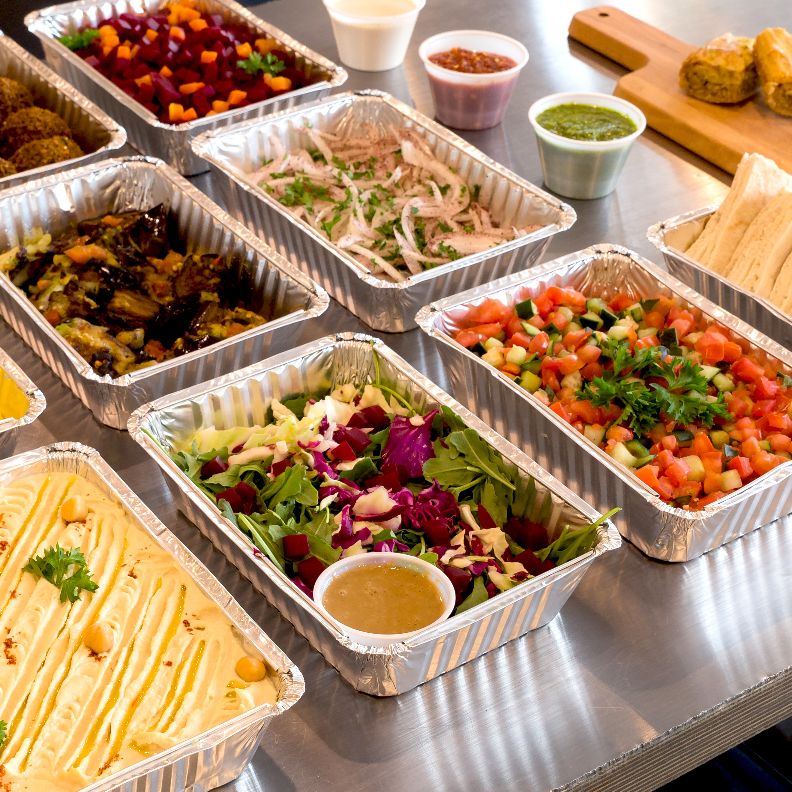
A significant aspect of modern catering is its focus on customization and personalization. Today’s clients demand more than just a meal; they seek a tailored experience that reflects the theme and tone of their event. Caterers now offer bespoke menu options that cater to various tastes, dietary restrictions, and themes. For instance, a wedding might feature a gourmet menu with a sophisticated wine pairing, while a company retreat might include interactive food stations or international cuisine. This level of personalization ensures that each event is unique and resonates with the host’s vision, providing guests with a memorable dining experience.
The integration of technology has also revolutionized the catering industry. Digital tools and online platforms have streamlined the planning process, allowing clients to browse menus, place orders, and manage logistics with ease. Social media has become a powerful tool for showcasing culinary creations, engaging with potential clients, and receiving real-time feedback. Additionally, advancements in kitchen technology and food preparation techniques have improved efficiency and consistency, enabling caterers to deliver high-quality dishes that meet the growing expectations of their clientele.
Sustainability has emerged as a key trend in the catering industry, driven by increasing environmental awareness and consumer demand for eco-friendly practices. Many caterers are adopting sustainable practices, such as sourcing locally grown ingredients, minimizing food waste, and using environmentally friendly packaging. This commitment to sustainability not only addresses ecological concerns but also appeals to a growing segment of environmentally conscious consumers. By embracing green practices, caterers demonstrate their dedication to both quality and environmental responsibility, setting themselves apart in a competitive market.
In conclusion, catering has evolved into a dynamic and integral part of event planning, characterized by its focus on customization, technological innovation, and sustainability. This evolution reflects broader trends in consumer expectations and environmental consciousness, positioning catering as a key player in creating exceptional and memorable events. As the industry continues to adapt and innovate, it will remain a vital component in crafting unique experiences that delight guests and leave a lasting impression. Whether through personalized menus, cutting-edge technology, or sustainable practices, catering has firmly established itself as an art that transforms any occasion into a celebration of culinary excellence.
