
Autism Spectrum Disorder (ASD) encompasses a broad array of neurological variations, each presenting unique challenges and opportunities for those affected. This condition, characterized by a spectrum of behaviors and abilities, impacts how individuals 自閉症訓練perceive and interact with the world. Understanding autism requires a deep dive into its diverse manifestations, potential origins, and the ways in which society can provide meaningful support and acceptance.
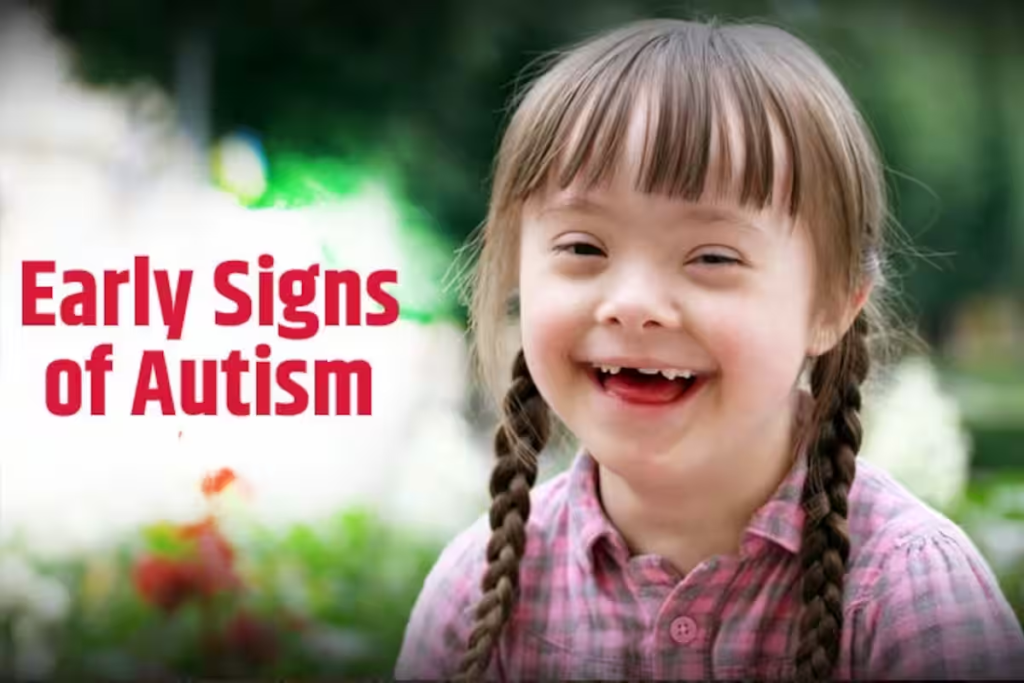
At its core, autism affects social communication and behavior in various ways. Individuals may experience difficulties in interpreting social signals, which can impact their interactions with others. Some may have challenges with verbal communication, relying on alternative methods such as sign language or assistive devices to express themselves. Repetitive behaviors and focused interests are also common, ranging from consistent routines to intense dedication to specific subjects or activities. These traits, while varying widely, are integral to the autism experience.
The origins of autism are still being explored, with research pointing to a combination of genetic and environmental factors. Genetic studies suggest that certain hereditary components may increase the likelihood of developing ASD, although no single gene is responsible. Additionally, environmental factors, such as prenatal exposures or early-life experiences, may also contribute. Advances in neuroimaging and genetics continue to offer insights into how brain structure and function relate to autism, helping to shape more effective intervention strategies.
Support strategies for autism are multifaceted, emphasizing the importance of personalized approaches. Early intervention plays a crucial role in improving developmental outcomes, with therapies like Applied Behavior Analysis (ABA) and speech and occupational therapies targeting specific areas of need. Creating environments that accommodate sensory sensitivities and promote understanding can significantly enhance the well-being of individuals with autism. Personalized educational plans and workplace accommodations further support the integration and success of those on the spectrum.
Fostering an inclusive society is key to supporting individuals with autism. Increasing public awareness and reducing stigma through education can create a more accepting environment. Embracing neurodiversity, which celebrates different cognitive styles and perspectives, helps to ensure that individuals with autism have access to opportunities and resources that allow them to thrive. Initiatives in education, employment, and community engagement can make a significant difference in the quality of life for those with autism and their families.
In summary, autism is a diverse and intricate condition that requires a nuanced understanding of its many aspects. Recognizing the varied experiences of individuals with autism, exploring its potential origins, and implementing supportive strategies can lead to more effective and compassionate approaches. By fostering an inclusive and accepting society, we can help ensure that those with autism are empowered to achieve their fullest potential.
