
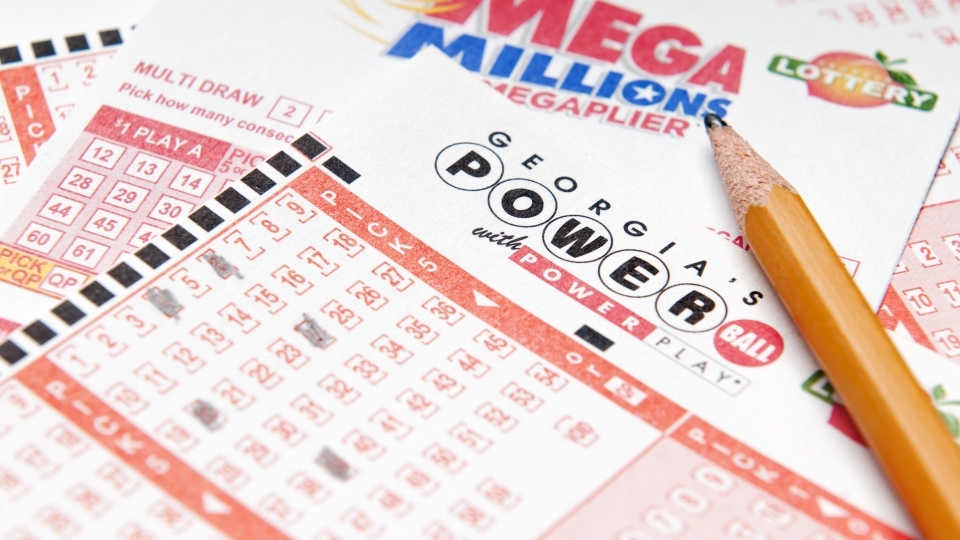
When it comes to playing the lottery, one of the most common questions among positive participants is: how many tickets should you buy to improve your likelihood of winning? On top, the judgement feels simple—buy more tickets, get more chances. And technically, that’s true. Each lottery ticket you buy represents one unique set of number TC NEWS , and thus one additional chance to match the winning numbers. However, when you take a deeper research the mathematics of probability and the structure on most lottery games, the answer becomes far more complex and layered than it first appears.
Let’s begin by recognizing a key fact: the odds of winning a major lottery jackpot, such as Powerball or Ultra Millions, are staggeringly low—often around 1 in 292 million or worse. Purchasing one additional ticket improves your chances to 2 in 292 million. Buy ten, and your chances become 10 in 292 million. That’s a vast improvement, yes, but even with a hundred tickets, your chances are still so low that you remain statistically unlikely to win. The purpose here is that while buying more tickets technically improves your chances, the increase is negligible in the grand scheme of such long chances. You could spend thousands of dollars and still be no place near insuring a win. From a purely exact perspective, there’s no practical number of tickets that meaningfully tips the weighing machines on your behalf for these massive games.
This reality leads to an important consideration: legal issues of downsizing returns. The more tickets you get, the more you may spend, but the limited gain in winning probability becomes smaller and smaller. Lottery games are structured to reward a smallish few at the expense of those unfortunate. Even if you buy a hundred tickets, you’re still competing against billions of other possible mixtures. And if however, you share an absolute number combination with someone else, the jackpot is split, cutting your reward. It becomes clear that buying more tickets only makes sense up to and including point—especially if you’re trying to play responsibly and within your budget.
That said, if you’re determined to increase your chances while reducing financial risk, playing with others in a group—commonly called a lottery pool or syndicate—can be a far more efficient strategy. By pooling resources with friends, coworkers, or family, you can collectively purchase a larger number of tickets without each person having the full cost. This means that the group in general gets better chances, even if the prize must be shared among all members. Lottery costly have become a popular path for casual players to expand their chances without overextending their finances, and in times past, many winning tickets attended from such groups. This collaborative approach can strike a better balance between cost and probability.
It’s also worth considering the emotional and psychological side involving more tickets. For many players, purchasing multiple tickets isn’t just about odds—it’s about hope and anticipation. Each ticket represents a unique story, a fresh what-if scenario. It nourishes into the excitement of playing, even if the realistic part of the human brain knows the odds are slim. However, this really is where self-discipline must come in. It’s easy to encourage yourself that more tickets mean you’re “due” for a win, or that just one more purchase could change your life. In reality, the lottery is not a system that rewards effort or persistence—it rewards chance, and chance alone. Without strong limits, players can quickly fall into a cycle of overspending in search of an outcome that remains as elusive as ever.
In conclusion, while buying more tickets does increase your likelihood of winning the lottery, the improvement is limited unless you’re playing on a massive scale, which few can afford. The better move is to treat the lottery as entertainment, not a financial strategy, and get only what you can comfortably afford to lose. If you want to stretch your hard earned dollars further, consider joining a group or syndicate, that provides a realistic way to gain more entries without increasing number your risk. Ultimately, the most valuable thing you can invest in with the lottery isn’t more tickets—it’s your own understanding of how the game works, and your capacity to play it wisely, with both excitement and constraint.
