
Interior design is an art form that influences how we feel, function, and interact within our spaces. It’s about more than just arranging furniture or picking out trend interior designer y colors; it’s about creating an environment that enhances everyday living while also reflecting personal style. In modern times, interior decoration has evolved into a process that blends functionality, aesthetics, and well-being. Whether designing a minimalist sanctuary or a vibrant family home, every element of interior design contributes to an atmosphere that promotes comfort, productivity, and happiness.
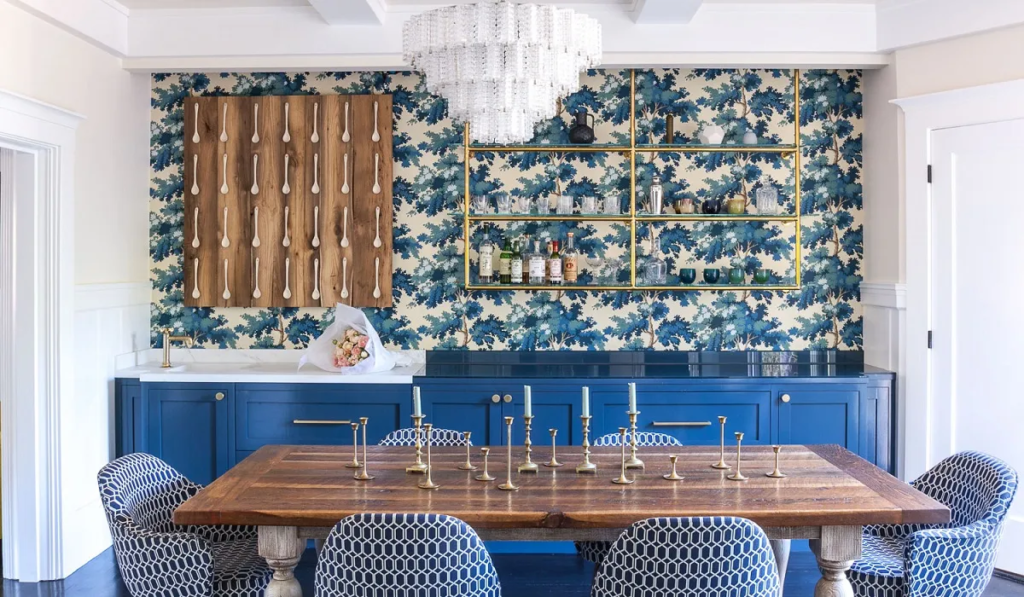
Color is one of the most impactful elements in interior design, capable of transforming a space entirely. Light, neutral shades like whites, beiges, and soft greys create a calm and serene atmosphere, perfect for spaces that promote relaxation, such as bedrooms and living rooms. In contrast, bold colors like red, yellow, and teal energize a space and add character, often used for accent walls or focal points. Understanding color psychology can help guide your design choices—cool colors are known to calm and soothe, while warm tones invoke energy and warmth. Effective use of lighting complements these colors, enhancing the space’s mood and allowing for changes in ambiance throughout the day.
Furniture is another pivotal aspect of interior design, contributing not only to the room’s functionality but also to its overall aesthetic. Modern furniture design embraces minimalism and simplicity, often with sleek, geometric shapes and clean lines. The key to successful furniture selection is finding pieces that balance form and function—ensuring they meet the needs of the space while complementing the design scheme. For example, multi-purpose furniture, such as storage ottomans or fold-out desks, allows for versatility in smaller spaces. A well-arranged layout can ensure that the space flows freely, allowing for natural movement and creating a sense of openness.
Personal touches give a room its soul and make it feel truly unique. Incorporating artwork, photographs, and decor pieces that resonate with personal experiences creates a sense of identity in the space. Vintage items, such as heirlooms or antique furniture, can also add character and charm, helping a room tell a story. The use of natural materials such as wood, stone, and plants brings warmth and texture into the design, further enhancing the space’s inviting atmosphere. Indoor plants, in particular, add vibrancy and life, purifying the air and creating a connection with nature that has proven mental health benefits.
In today’s world, sustainability has become a significant consideration in interior design. As more people prioritize eco-friendly practices, designers have turned to sustainable materials such as reclaimed wood, organic cotton, and bamboo. These materials not only reduce the environmental impact of design but also add natural beauty and texture to the space. Additionally, energy-efficient lighting and appliances can contribute to a more eco-conscious home. Sustainable design doesn’t mean sacrificing style—it simply involves choosing elements that are both stylish and kind to the planet.
Ultimately, interior design is a powerful tool for shaping our environment and influencing how we feel within it. The spaces we inhabit have a direct effect on our mood, productivity, and well-being. By carefully considering color, furniture, personal touches, and sustainability, interior designers can craft spaces that enhance our quality of life. Whether for relaxation, creativity, or social interaction, interior design offers endless possibilities for creating spaces that reflect the dreams, desires, and personalities of those who live within them. Through thoughtful design, every room becomes more than just a physical space—it becomes an experience.
